How Pie Cafe Colorado Springs Creates a True Hometown Dessert Experience

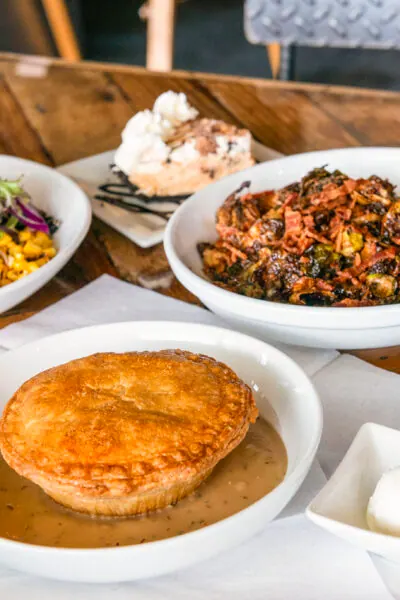

There is a difference between a place that sells dessert and a place that becomes part of a town’s emotional landscape. Most people can feel that difference the moment they walk through the door. One room smells pleasant and efficient, designed to move customers through a line. The other feels familiar before the first bite, almost as if it has been waiting for you all day. That second kind of place is harder to build than it looks, and when it works, it leaves a mark on the community.
That is what stands out about the idea behind Pie Cafe Colorado Springs. A true hometown dessert experience is never just about sugar, crust, or coffee. It comes from a chain of decisions that seem small on their own and powerful when taken together. The room has to feel welcoming without trying too hard. The desserts need enough consistency that regulars know what they are coming back for, yet enough variation to keep the case interesting. The service has to land in a narrow sweet spot, attentive but never rehearsed. Most of all, the place has to understand what people are really buying when they order pie. They are buying comfort, ritual, and sometimes a short break from a rough day.
In food service, dessert can look deceptively simple from the outside. A slice of pie appears humble. It does not carry the theater of a tasting menu or the trend appeal of a limited-run pastry with a dozen components. Yet pie is demanding in all the ways that matter. The crust exposes every shortcut. The filling has nowhere to hide. If the fruit is under-seasoned, if the texture is gummy, if the slice has been sitting too long, the customer knows instantly. That transparency is part of why pie remains such a strong measure of quality. When a cafe chooses pie as a central identity, it is making a quiet promise to the neighborhood: we believe simple things deserve to be done well.
Why pie still matters in a city full of choices
Colorado Springs has no shortage of places to get coffee, sweets, or a quick treat. That abundance raises the bar for any dessert business. People can order something flashy, something portable, or something engineered for social media. Pie competes on different terms. It does not need novelty to earn loyalty. It needs craftsmanship, warmth, and a sense that the slice in front of you belongs to this place and this moment.
That is where a pie-centered cafe can become memorable. Pie asks customers to slow down a little. Even when ordered to go, it suggests a pause. Sit for ten minutes. Have the coffee while it is still hot. Let the fork break through the crust instead of rushing back to the car. Those habits sound minor, but they matter in a local food business. The more a cafe encourages a little unhurried pleasure, the more it becomes woven into family routines, workday resets, and weekend traditions.
A hometown dessert shop also succeeds because pie crosses generations better than most sweets. Children recognize it as a treat. Parents trust it as something familiar. Grandparents often connect it to memory, to church suppers, holiday tables, or the kind of diner stops that used to define road trips. Few desserts carry all three associations at once. Brownies, cupcakes, and cookies have their place, but pie has a broader emotional range. It can feel celebratory, practical, nostalgic, and generous all at the same time.
That emotional range is especially important for a local cafe. A neighborhood regular does not return only on birthdays or special occasions. They come in after school pickups, before errands, after medical appointments, on snowy afternoons, or because a Tuesday feels long and one good slice might improve it. The places that understand this rhythm tend to outlast trends. They become part of the backdrop of daily life.
The room sets the tone before the pastry case does
Every experienced operator knows the room speaks first. Long before a customer evaluates the filling or the coffee, they take in the environment. Is it bright without being harsh? Are the counters tidy? Does the display look abundant, even on a slower day? Does the seating invite a short stay, or does it tell people to finish and leave?
For a place like Pie Cafe Colorado Springs, the hometown feeling likely starts with those environmental cues. The best dessert cafes feel lived in, but not worn out. There is a difference. A lived-in cafe suggests repeat visits, relaxed conversations, and a little personality. A worn-out one suggests deferred maintenance and fatigue. Customers know the distinction intuitively. The hometown mood people talk about so often is usually the product of careful upkeep presented in an unpretentious way.
Smell matters too, perhaps more than in almost any other category. Pie has an advantage here. Butter, cinnamon, baked fruit, toasted nuts, and warm crust carry a kind of immediate credibility. They tell the customer that actual baking is happening, not just assembly. In many food businesses, scent is incidental. In a pie cafe, it becomes part of the experience. One of the oldest truths in hospitality is that appetite begins before the plate arrives, and pie plays directly into that instinct.
Then there is pacing. In a rushed environment, even excellent dessert tastes slightly diminished. A hometown cafe tends to leave space for human timing. The person at the register might answer a question without sounding like they are reading from training notes. Someone choosing between fruit and cream pie can take a moment. A family with small children can settle in without feeling like they are blocking traffic. None of that happens by accident. It comes from layout, staffing, and management standards that prioritize hospitality, not just throughput.
What makes pie feel homemade without becoming inconsistent
People often say they want “homemade” dessert, but the term can be slippery in a commercial setting. At its best, homemade means the product feels personal, generous, and grounded in real technique. At its worst, it becomes code for uneven execution. A great local pie shop has to deliver the comfort of homemade baking while still meeting the consistency customers expect from a business.
That balancing act starts with the crust. Crust is where skill shows up most clearly because there is very little room for disguise. Good crust needs tenderness and structure at the same time. Too sturdy, and it eats like packaging. Too fragile, and the slice collapses before it reaches the table. In practice, that balance often comes down to disciplined handling, temperature control, and restraint. Overworking dough is one of the most common mistakes in pie production, and customers may not know the technical reason, but they will feel it in the chew.
Fillings create a different challenge. Fruit pies can swing from watery to stiff in a matter of minutes if the formula or bake is off. Cream pies demand texture management. Nut pies can tip into sweetness without enough salt or contrast. Seasonal variation makes all of this harder. Fruit changes with weather, storage, and supplier quality. That means a pie shop committed to quality cannot rely purely on repetition. It needs judgment. Some days the apples need more acid. Some berries need less thickener. Some crusts need a few extra minutes because humidity is working against them. These are not glamorous decisions, but they are the ones that separate a pleasant dessert stop from a truly dependable hometown favorite.
The most impressive part of a good pie cafe is usually not innovation. It is discipline hidden beneath comfort. Customers read the result as effortless. They think, this tastes like somebody’s best family recipe. What they are really tasting is a business that respects detail enough to make tradition seem easy.
Service is where local loyalty is won
A hometown dessert experience depends on recognition, and recognition is not the same thing as familiarity. Not every customer wants to be greeted by name. Some do, some do not, and strong service teams learn to read the difference. The real goal is for guests to feel seen in the way that suits them. That might mean remembering a regular’s usual coffee order. It might mean offering a sample to someone clearly torn between two slices. It might mean giving a parent a second napkin before they ask.
The best local cafes do this without turning hospitality into performance. Scripted friendliness is easy to spot. People know when they are hearing lines designed to sound warm. Genuine hometown service is quieter than that. It has a practical generosity to it. If there is a line, staff move it efficiently without making anyone feel rushed. If a customer is celebrating something, the tone meets the occasion. If someone looks worn out, the interaction can stay gentle and brief.
I have seen over and over that dessert businesses keep regulars through these seemingly ordinary moments. A customer may first visit because they heard the pie was good. They come back because the experience felt easy, pleasant, and human. Good hospitality removes friction. Great hospitality adds comfort.
That is especially true in a product category so tied to memory. People often arrive at pie with a story already in mind. Maybe their grandmother baked cherry pie every July. Maybe they have not had coconut cream pie since a diner closed twenty years ago. Maybe they are bringing home dessert for a family meal and want it to feel special without being formal. Staff who understand that emotional dimension can make a simple transaction feel personal without crossing into sentimentality.
A local dessert shop earns trust through repetition
One excellent visit creates interest. Ten solid visits create trust. That distinction matters for any neighborhood food business, and it matters even more for a pie cafe. Pie is not usually an impulse brand experiment the way a flashy pastry can be. It is a repeat-purchase comfort item. Customers need to believe that the slice https://garrettseht769.novacrestiq.com/posts/pie-cafe-colorado-springs-a-delicious-way-to-experience-local-flavor they loved last month will still satisfy them this month.
Consistency is not glamorous work. It comes from prep systems, recipe control, quality checks, and staffing habits that rarely show up in marketing. Yet customers notice the outcome immediately. They can tell when coffee is served at the right temperature, when whipped toppings have proper texture, when slices are cut cleanly, and when the display case looks refreshed instead of picked over. Trust grows from those cues.
At the same time, consistency should not harden into monotony. One of the pleasures of a place like Pie Cafe Colorado Springs is the possibility of seasonal rotation. Limited flavors give regulars a reason to check back in. They also anchor the cafe to the calendar in a way that feels deeply local. Autumn asks for warming spices and orchard fruit. Summer favors brighter fillings and lighter textures. Holiday periods invite richer, more indulgent offerings. When these shifts are handled well, they make the cafe feel alive and attentive to the season rather than locked into a static menu.
The trade-off, of course, is operational complexity. Seasonal baking can introduce purchasing challenges, prep variations, and occasional customer disappointment when a favorite disappears. That is where judgment matters. A smart pie cafe keeps enough beloved staples on hand to provide continuity while rotating just enough to create anticipation. Too much change and the regulars lose their footing. Too little and the case stops feeling fresh.
The hometown effect extends beyond the plate
A true hometown dessert destination does not operate as an isolated retail box. It participates in the life of the area around it. Sometimes that means being the reliable stop after a school event or a Saturday errand run. Sometimes it means becoming the default answer when somebody asks where to pick up dessert for dinner with friends. Over time, those habits build community presence more effectively than almost any advertising campaign.
There is a practical side to this. Local businesses thrive when people can fit them naturally into existing routines. If the cafe offers a calm place to sit, approachable pricing relative to portion size, and desserts that work equally well for dine-in or takeout, it earns a wider range of visits. A solo customer might stop in for coffee and a quiet slice. A couple might share dessert after dinner elsewhere. A family might pick up several slices because nobody can agree on one pie. Each use case supports the same larger identity: this is where you go when you want dessert to feel easy, local, and worth the stop.
The emotional side is just as important. Hometown places become landmarks of personal memory. People remember where they went after a recital, after getting good news, after surviving a difficult week. They remember what they brought to Thanksgiving when they did not have time to bake. They remember the first place visiting relatives asked to return to before heading home. Few businesses can claim that kind of role unless they create a product and environment with genuine staying power.
Why simplicity is harder, and more memorable, than spectacle
There is a tendency in modern food culture to equate complexity with value. More components, bigger portions, louder visuals. Yet some of the most satisfying dessert experiences come from restraint. Pie works precisely because it does not pretend to be more than it is. It relies on proportion, temperature, texture, and flavor balance. That simplicity makes every decision visible.
A slice served slightly warm with a clean scoop of ice cream can outshine far more elaborate desserts if the fundamentals are right. Fruit should taste like fruit, not thickened sugar. Chocolate should read as rich, not merely sweet. Meringue should contribute lightness, not just height. Cream fillings should feel luxurious without becoming heavy. These are subtle distinctions, but they are the ones people remember.
This is one reason a well-run pie cafe can create such fierce loyalty. The experience feels honest. Customers sense that the business is putting its energy into quality where it counts rather than distraction where it does not. That honesty reads as hometown character because it reflects the values people often associate with local businesses at their best: care, steadiness, and pride in the basics.
The details customers carry home with them
People rarely describe a great local cafe in technical terms. They talk instead about how it made them feel. Still, those feelings usually come from very concrete details. A hometown dessert experience often rests on a handful of practical strengths working together:
- The pie tastes fresh and balanced, not overly sweet or mass-produced.
- The room feels comfortable enough to linger for a few minutes.
- The staff handle guests with warmth and competence.
- The menu offers familiar favorites alongside seasonal interest.
- The entire visit feels dependable, from first glance to last bite.
What looks simple from the customer side is difficult from the operator side. Freshness affects labor. Warm service requires hiring and training well. Seasonal menus complicate purchasing. Comfortable spaces need maintenance. Dependability demands discipline every single day, not just on busy weekends. That is why truly beloved local dessert spots are rarer than people assume. They do not happen by accident, and they do not stay good on momentum alone.
What Pie Cafe Colorado Springs gets right about belonging
The strongest local food businesses understand that belonging is not a slogan. It is a feeling earned through repetition, quality, and trust. Pie Cafe Colorado Springs speaks to that idea because pie itself is a belonging dessert. It shows up at family tables, community gatherings, potlucks, and holidays. It can be celebratory or quietly restorative. It asks very little from the customer except the willingness to pause and enjoy it.
When a cafe builds its identity around that kind of dessert, it is also choosing a relationship with the community. It is saying that comfort is worth taking seriously. Familiar things deserve craft. A neighborhood shop can be polished without losing warmth. A simple slice can still feel special.
That is what defines a true hometown dessert experience. Not gimmicks, not trend-chasing, not forced nostalgia. Just a place that understands what people hope to find when they order pie, and meets that hope with skill. A crisp crust, a balanced filling, a good cup of coffee, a room that feels kind to sit in, and service that makes the interaction easy. Get those things right often enough, and a cafe becomes more than a stop for dessert. It becomes part of how a city tastes, remembers, and gathers.
3.14 Pi Bar
5152 Centennial Blvd
Colorado Springs, CO 80919
(719) 314-6172
FAQ About pie cafe colorado springs
Does 3.14 Pi Bar serve sweet and savory pies?
Yes. The café serves savory pot pies and seasonal sweet pies made from scratch. Flavors can vary.
Can I order a whole pie to take home?
Yes. The café sells whole sweet pies to take home. Check the current menu for flavors and ordering options.
Does 3.14 Pi Bar offer take-and-bake pies?
Yes. The café offers prepared pies that you can bake at home. Check the current menu for available varieties.