Jamaican Food in Denver: A Fresh Look at Caribbean Cuisine
Denver has become a city where diners expect range. Ethiopian one night, regional Mexican the next, natural wine after that. Yet Caribbean food, and specifically Jamaican cooking, still feels underappreciated compared with the depth it brings to the table. That matters because Jamaican food is not novelty cuisine. It is one of the most layered food traditions in the Americas, shaped by West African cooking, Indigenous ingredients, British colonial history, Indian spice influence, Chinese migration, and a climate that rewards slow-growing flavor. When people search for jamaican food denver, they are often looking for more than a plate of jerk chicken. They want food with heat, soul, texture, and a sense of place.
Denver is a particularly interesting city for this search. The altitude affects everything from baking to braising, and local diners tend to like bold flavors, grilled meats, and comfort food with personality. Jamaican cuisine fits that appetite remarkably well. The best versions deliver smoke, thyme, allspice, scallion, Scotch bonnet heat, long-simmered gravies, and starches that do real work on the plate. It is food that satisfies in cold weather, but still feels bright enough for summer.
What makes the Denver scene worth a fresh look is that it is no longer enough for a restaurant to simply offer “Caribbean-inspired” dishes and call it a day. Diners have become sharper. They can tell when jerk tastes like generic barbecue rub, when oxtail was rushed, or when rice and peas are treated as an afterthought. The Jamaican spots that stand out here tend to do so because they respect the fundamentals. They understand that the details, the marinade time, the smoke, the texture of coco bread, the balance in curry goat, are not small things. They are the whole point.
Why Jamaican food lands so well in Denver
Part of the appeal is obvious. Denver likes grilled and smoked food. Jamaican jerk, at its best, leans on pimento, thyme, garlic, ginger, scallion, and serious chile heat, then finishes with char that is both bitter and sweet. It scratches the same itch that draws people to barbecue, but the flavor profile is different enough to feel distinct. It is hotter, more herbal, often more aromatic, and less dependent on sugar.
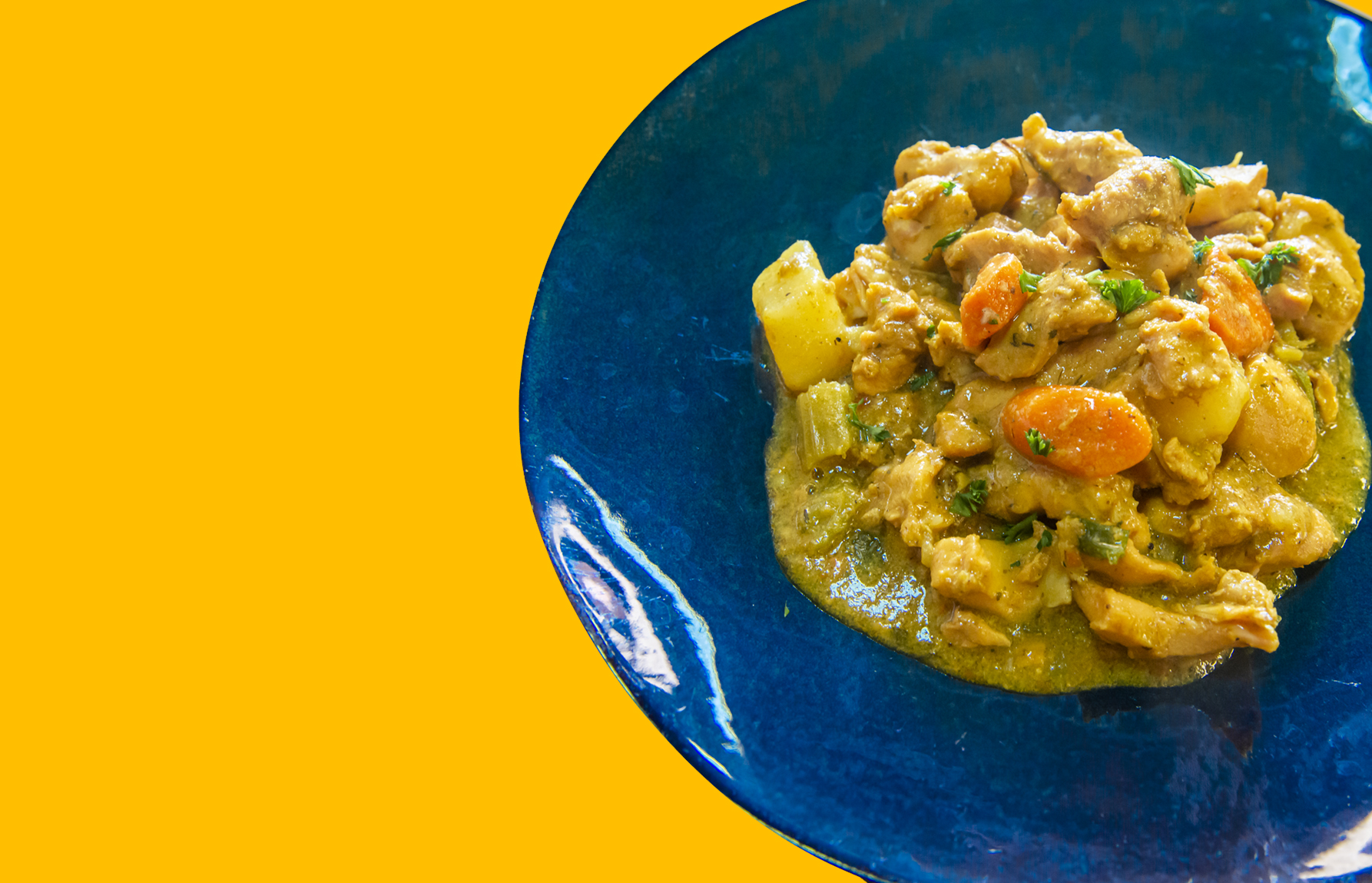
There is also the matter of comfort. Jamaican plates are built to feed you properly. Oxtail comes rich and sticky from collagen and long braising. Curry goat offers warmth rather than just fire, with spices that bloom slowly. Brown stew chicken brings sweetness from caramelized browning sauce and onions. Even the sides carry weight. Rice and peas are not decorative. Fried plantains are not there just to soften the heat. Macaroni pie, cabbage, festival, and patties all contribute structure and contrast.
Denver’s climate makes those dishes especially appealing. A cold snap in January does wonders for a bowl of curry or a plate of oxtail gravy over rice. At the same time, the cuisine has enough acidity and spice to work year-round. A good jerk plate with slaw or cabbage can feel surprisingly refreshing in warm weather, especially with a ginger drink https://laneeqvx455.raidersfanteamshop.com/your-guide-to-delicious-jamaican-food-in-denver or sorrel.
There is another reason Jamaican food resonates here, and it has to do with authenticity versus adaptation. Denver diners often reward restaurants that keep a clear culinary identity rather than sanding off the edges to please everyone. Jamaican food loses a lot when it is toned down too far. The allspice should register. The thyme should be obvious. The chile should have intent. Restaurants that trust customers with real flavor usually build the most loyal followings.
What Jamaican cuisine actually brings to the table
A lot of American diners reduce Jamaican food to jerk seasoning. That is like reducing Italian cooking to marinara. Jerk matters, of course, but the cuisine is much wider than that. There is a discipline to Jamaican cooking that people notice only after a few meals. It is a cuisine of layering.
Seasoning starts early, often with green seasoning or a marinade that penetrates rather than sits on top. Browning sauce adds color and a slight bittersweet note in stewed dishes. Allspice, known as pimento in Jamaica, can give meat a floral, clove-like depth without making it taste like dessert. Scotch bonnet peppers are fruitier than their heat level suggests, which is one reason the food can be spicy without feeling one-dimensional.
Texture matters just as much as flavor. A proper beef patty should have a pastry shell that flakes but does not shatter into dust, with a filling that is moist, seasoned, and held together well enough to eat on the move. Oxtail should be tender enough to yield easily, but not cooked to mush. Plantains need the right stage of ripeness, sweet enough to caramelize, not so soft they collapse into jam.
This is also one of the most versatile cuisines for mixed groups. Someone who wants serious heat can get it. Someone who prefers milder comfort can lean toward brown stew chicken or curry with rice and peas. Vegetarians have real options too, especially where callaloo, cabbage, beans, and rice are handled with care rather than treated as side notes.
The dishes that separate a serious Jamaican kitchen from a casual one
If you want to understand Jamaican food in Denver beyond the basics, pay attention to a handful of benchmark dishes. They reveal more than a menu description ever could.
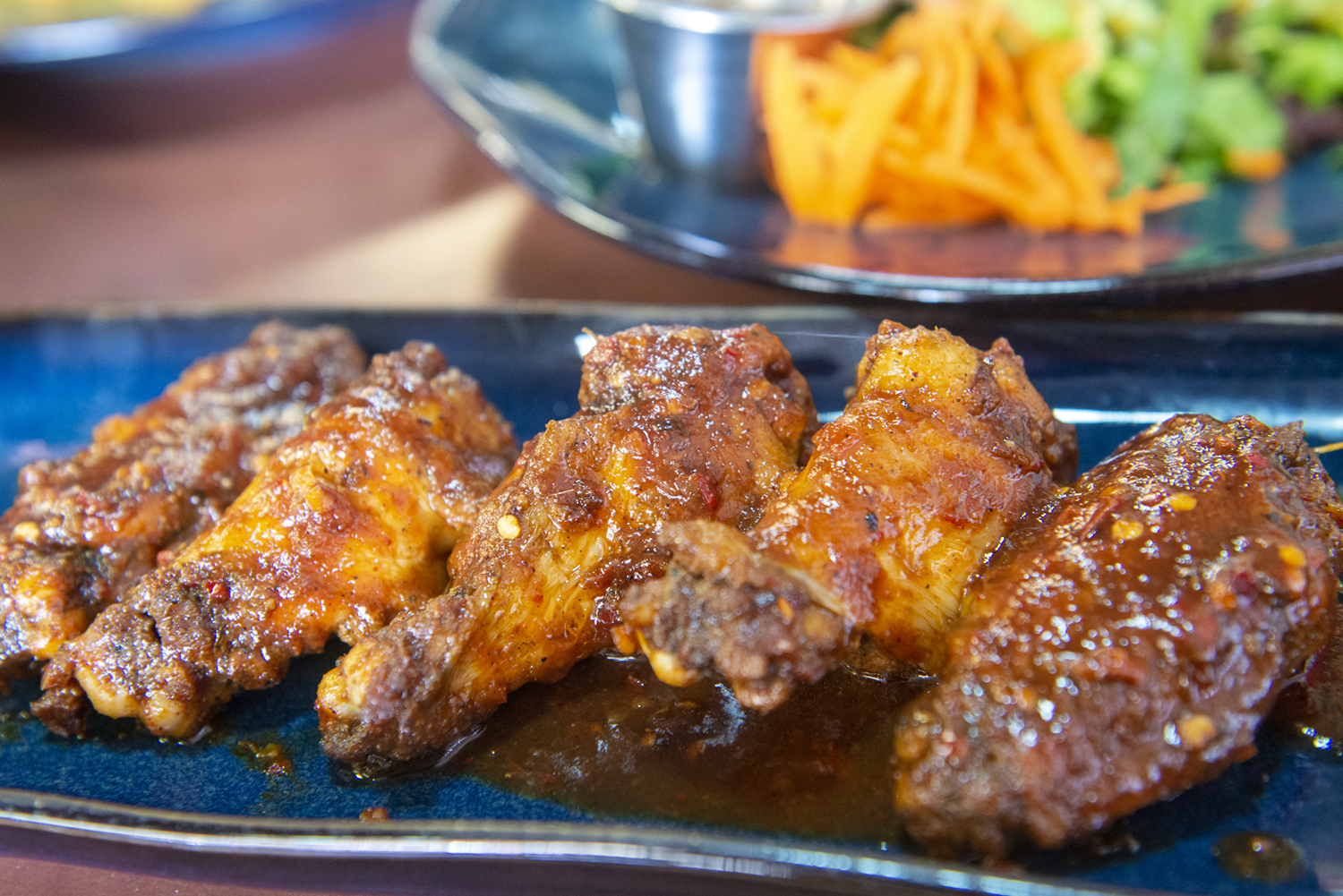
Jerk chicken is the obvious test, but it is also the most misunderstood. The best jerk is not merely spicy grilled chicken. It should taste seasoned all the way through, with a balance of smoke, chile, herb, and pimento. Color alone tells you little. Some overly dark versions taste mostly of burnt sugar or bottled sauce. Good jerk carries complexity before the heat catches up.
Oxtail is where patience shows. This is not a dish you fake in a hurry. Done well, it arrives glossy, deeply savory, and unctuous without becoming greasy. The gravy should have body. The meat should come off the bone with minimal resistance. If the dish tastes flat, the issue is usually one of underseasoning or insufficient braising time.
Curry goat is a chef’s dish in the sense that it reveals judgment. Goat can be gamey if mishandled, dry if overcooked, and bland if the spice base is timid. The best versions balance curry warmth, thyme, garlic, onion, and slow-developed richness. In Denver, where diners already know and like strong curries from many traditions, a good Jamaican curry has every opportunity to win people over.
Then there are patties, which are often treated as snack food but tell you a lot about standards. A restaurant that cares about its patties tends to care about everything else. The crust should be golden and lightly crisp, often colored with turmeric or curry powder, and the filling should be assertively seasoned. A patty tucked into coco bread, warm and slightly sweet, is one of the great under-discussed sandwiches in casual dining.
If you are ordering for the first time
The smartest way to approach a Jamaican menu is to build a meal that shows contrast. Heat needs starch. Richness needs acidity or something sweet. Smoke needs a soft landing.
- Start with a beef patty or a patty in coco bread if the restaurant offers it.
- Choose jerk chicken, oxtail, or curry goat as your main, depending on whether you want smoke, richness, or spice.
- Keep rice and peas on the plate. They are central, not filler.
- Add cabbage or plantains for balance.
- If there is sorrel, ginger drink, or a house fruit beverage, order it.
That combination gives a first-time diner a real sense of the cuisine rather than a single-note experience. It also avoids the common mistake of ordering only the hottest thing on the menu and missing the range.
How to tell whether a Jamaican restaurant in Denver is the real thing
Authenticity is a loaded word, and it can be overused. Restaurants adapt. Ingredients change. Kitchens work with local suppliers. None of that automatically makes a place less serious. What matters is whether the cooking shows understanding.
One sign is the aroma when you walk in. You should catch thyme, scallion, spice, fried pastry, or slow-cooked gravy, not just generic fryer oil. Another is menu confidence. A focused menu usually beats a sprawling one that tries to cover every island and every American takeout category at once. A third sign is side dish quality. Restaurants that nail cabbage, rice and peas, and plantains tend to respect the full plate. The final clue is consistency. Jamaican food is deeply dependent on proper marination and time. If the jerk tastes different every visit, or the oxtail swings from tender to tough, the kitchen may be struggling with process.
Denver diners can also watch how a place handles spice questions. Good restaurants usually have a clear answer. Some dishes are meant to be spicy. Others can be adjusted. Vague promises that everything can be made “mild, medium, or hot” often signal a simplified approach that misses how the dishes are built.
The Denver factor: where Caribbean food adapts, and where it should not
Cooking Jamaican food in Denver comes with real practical constraints. Altitude can alter braising times, moisture loss, and frying behavior. Sourcing can be uneven, especially for specialty produce. Scotch bonnets are not always as readily available as jalapeños or habaneros. Some herbs fluctuate in quality. Freshness matters enormously in this cuisine, particularly for seasoning blends and produce-heavy sides.
The strongest kitchens adapt without losing their center. If a chef swaps in a close pepper relative for availability reasons, that can still work if the fruitiness and heat profile stay in range. If a menu changes slightly with the season, that is not a problem. What should not change is the structure of the cooking. Jerk still needs depth and smoke. Curry still needs time to bloom. Patties still need proper pastry. Rice and peas should still taste like they belong there.
This is where Denver’s better independent food scene helps. The city has become friendlier to specialized concepts and owner-driven restaurants. Diners are willing to follow a food truck, order from a compact menu, or travel a little for a dish done right. Jamaican food benefits from that kind of audience because it rewards repeat visits. The first meal hooks you with flavor. The second teaches you what to order. By the third, you begin to notice how much craft sits behind even the most casual-looking plate.
Beyond jerk: dishes worth seeking out
One of the pleasures of exploring Jamaican food in Denver is getting past the standards. Ackee and saltfish, where available, offers a very different expression of the cuisine, delicate but savory, with ackee’s soft texture and the punch of salted cod. Callaloo brings an earthy, cooked-green depth that can anchor a meal beautifully. Escovitch fish, if a kitchen handles seafood well, gives you crisp texture and sharp pickled vegetables that cut through richness in a way few dishes do.
Soup deserves attention too. Jamaican soups can be substantial, almost meal-like, often built from root vegetables, dumplings, and long-simmered stock. They are especially satisfying in colder months and make perfect sense in Denver’s climate. Too few diners order them because they are chasing the bigger-name dishes, but a well-made soup often tells you more about a kitchen’s seasoning instincts than a heavily sauced entrée.
Dessert and drinks also deserve more respect than they usually get. Rum cake can range from dry and forgettable to beautifully moist and fragrant. Sweet potato pudding, when done properly, has density, spice, and a clean sweetness that never feels childish. Sorrel, often prepared around the holidays but beloved year-round by those who know it, combines floral tartness with spice in a way that feels both festive and grounded.
Service, pacing, and what first-timers often misunderstand
Jamaican restaurants, particularly family-run ones, are sometimes judged by standards imported from fast casual chains. That is a mistake. Certain dishes simply take time, and some kitchens operate on rhythms shaped by scratch cooking rather than assembly-line service. This does not excuse disorganization, but it does mean diners should approach the experience with the right expectations.
If you are ordering braised dishes late in the day, availability may narrow. If a place runs out of a special, that can be a sign of real demand and limited production rather than poor planning. In fact, one of the most reliable markers of quality in this category is that the kitchen refuses to fake what it no longer has.
There is also the matter of heat tolerance. Many people claim they love spice until they meet a Scotch bonnet used with conviction. Good Jamaican cooking is not about macho heat, but the burn can be serious. If you are uncertain, ask how the kitchen handles it. A thoughtful answer is better than bravado.
Common disappointments, and why they happen
Not every search for jamaican food denver ends with a memorable meal. The misses tend to fall into a few predictable categories.
The first is diluted seasoning. Some kitchens seem to fear that Denver customers cannot handle true Jamaican flavor, so they tone down thyme, allspice, and chile until the food becomes generic. That usually backfires. Diners do not need every dish to be fiery, but they do need it to taste deliberate.
The second is overreliance on sauce. If jerk flavor comes mainly from a sweet glaze painted on after cooking, the dish loses integrity. Jerk should taste built in, not pasted on. The same goes for curry. If the sauce tastes like powder mixed at the last minute rather than spices cooked into the dish, the result feels hollow.
The third is neglecting the supporting cast. Dry rice, limp cabbage, or under-ripe plantains can drag down an otherwise solid plate. Jamaican food is a cuisine of ensembles. A great main with weak sides still feels incomplete.
What local diners should look for when exploring the scene
A useful strategy is to try a restaurant twice before making a final judgment. The first visit tells you whether the flavors appeal to you. The second tells you whether the kitchen has consistency. Order across categories if possible. If you started with jerk chicken the first time, move to curry goat or oxtail next. Add a patty. Try a drink made in-house. That broader sample gives you a better read than returning for the same dish every time.
You should also pay attention to who is eating there and how they order. In many cities, the strongest indicator of a place’s standing is the regular crowd. If people walk in and confidently ask for dishes not heavily promoted on the menu board, that usually means the restaurant has earned trust. Food communities notice who gets the details right.
Denver’s dining culture can sometimes chase novelty over substance, but Jamaican food rewards the opposite mindset. The meals that stay with you are often the least flashy. A tray of jerk chicken with rice and peas, cabbage, and a drink can reveal more culinary intelligence than a heavily styled fusion plate designed for social media. The seasoning has to work. The smoke has to be honest. The starch has to support rather than sit there. Nothing hides.
Why this cuisine deserves more attention in the city
Jamaican food belongs naturally in Denver’s broader food conversation because it answers several cravings at once. It offers comfort without blandness, spice without gimmick, and cultural depth without requiring explanation to be enjoyable. It is accessible enough for a weekday meal and nuanced enough for serious food people to discuss at length.
There is also a broader point here about how cities mature as dining destinations. They become more interesting when diners move beyond broad labels like “Caribbean” and begin to appreciate the distinctions within them. Jamaican cuisine is not interchangeable with Trinidadian, Haitian, Cuban, or Dominican cooking. They share regional threads, but each has its own logic. Giving Jamaican food the attention it deserves helps sharpen the entire conversation around Caribbean food in Denver.
For restaurant owners and chefs, that creates opportunity. There is room in this city for more than a token jerk plate. There is room for patties done properly, for breakfast dishes, for soups, for escovitch, for drinks that taste homemade, and for menus that trust customers to meet the cuisine where it is. The audience is here. The curiosity is here. What matters now is execution.
Anyone exploring jamaican food denver with an open mind will find a cuisine that is bigger, more precise, and more satisfying than its most common stereotypes suggest. At its best, Jamaican food gives you fire, sweetness, smoke, tenderness, crunch, and comfort on the same table. Few cuisines manage all that so effortlessly. That is exactly why it deserves a fresh look.
Reggae Pot Jamaican Grill
Address: 2243 S Monaco St Pkwy #104, Denver, CO 80222
Phone number: +17204102956
FAQ About Jamaican Food Denver
What is typical Jamaican food?
Typical Jamaican food features bold, vibrant flavors created by blending African, Taino, European, and Asian influences.
What is a famous Jamaican dish?
Ackee and saltfish is Jamaica's national dish, made by sautéing the soft local ackee fruit with salted cod, onions, tomatoes, and spicy Scotch bonnet peppers.
What food is most popular in Jamaica?
The most popular and famous food in Jamaica is Jerk Chicken, celebrated worldwide for its smoky, spicy flavor.