Traditional Jamaican Food Meals That Warm the Soul
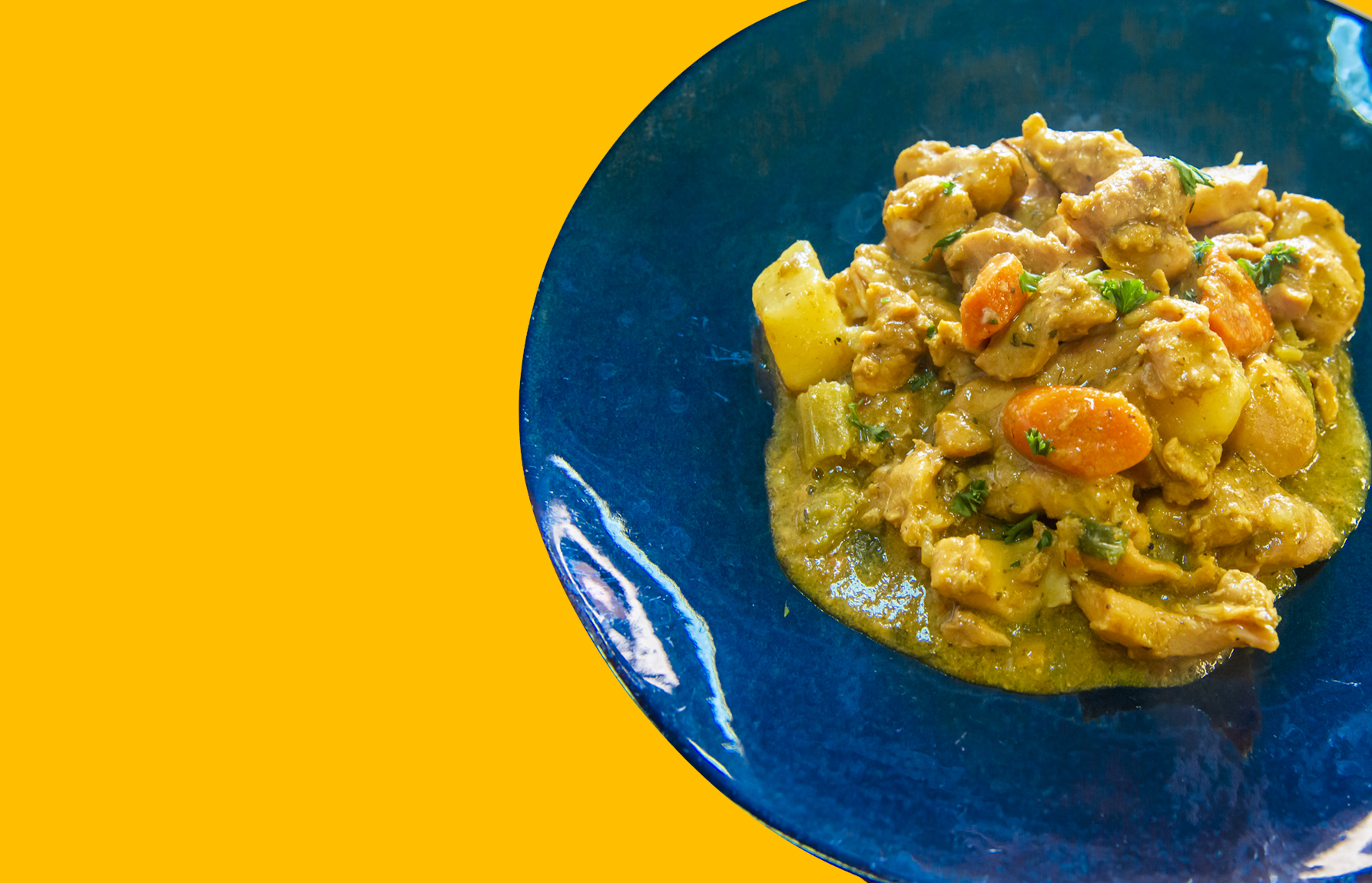

Jamaican food has a way of meeting more than hunger. It settles you. It slows the room down. It fills a kitchen with the kind of aroma that makes people drift in from the yard, from the veranda, from wherever they were trying to stay busy. A proper Jamaican meal does not feel rushed, even when it is served quickly. The flavors come from time, from seasoning, from inheritance, and from a clear understanding that comfort food should still have backbone.
What makes traditional Jamaican food so memorable is not simply heat or richness, though both have their place. It is the balance. Sharp thyme against mellow beans. Scotch bonnet bringing fire, then scallion and coconut milk softening the edges. Browning adding depth to a stew, while a side of rice and peas keeps the plate grounded. The best meals warm the soul because they taste lived in. They carry stories of Sunday gatherings, roadside cookshops, family kitchens, school lunches, beach outings, and long pots simmering while the rest of the https://zionxmzd287.ironwoodscope.com/posts/jamaican-food-that-brings-the-caribbean-to-your-table day unfolds.
Anyone exploring Jamaican food for the first time often notices the boldness first. What becomes more interesting over time is the restraint. Good cooks know exactly when to stop. Too much allspice can muddy a dish. Too much coconut milk can flatten it. Too much salt can bury the natural flavor of the meat, fish, or vegetables. Traditional meals succeed because they are deeply seasoned, not chaotic.
The foundation of a comforting Jamaican meal
A soul-warming Jamaican meal usually rests on a few familiar principles. Seasoning is layered early. Proteins are often marinated or rubbed well before they hit the pot or grill. Starches matter, not as filler, but as part of the experience. Rice and peas, boiled green bananas, fried plantain, festival, bammy, roasted breadfruit, or ground provisions each change the mood of a plate. Then there is texture, which is often overlooked by people trying to recreate these dishes outside the Caribbean. Jamaican cooking rarely leaves a plate one-note. You get stew gravy, soft rice, something crisp on the side, maybe a pickle or fresh salad for brightness.
The pantry itself tells the story. Thyme is almost never an afterthought. Pimento, known elsewhere as allspice, gives warmth that is woody and sweet without becoming dessert-like. Scallion, onion, garlic, ginger, and Scotch bonnet form a familiar aromatic base, though every household leans differently. Browning darkens gravies and adds a faint bittersweet note. Coconut milk appears often, especially with legumes. Saltfish, smoked meats, and stock build savory depth that can make even modest ingredients feel abundant.
One useful way to understand Jamaican food is to look at its meals as complete systems rather than isolated recipes. Oxtail without broad beans and gravy misses something. Curry goat without plain rice, white rice, or rice and peas can feel incomplete. Ackee and saltfish becomes more satisfying when paired with boiled dumplings, yams, and green bananas. These combinations developed for flavor, certainly, but also for fullness, economy, and rhythm. They were designed to sustain.
Ackee and saltfish, the national dish for good reason
Ackee and saltfish is one of the clearest examples of Jamaican cooking at its most comforting and distinctive. Ackee, when cooked properly, becomes tender and buttery, almost like soft scrambled egg in texture, though the flavor is subtler and more delicate. Saltfish brings salinity, chew, and depth. Together with onion, tomato, scallion, thyme, black pepper, and a little Scotch bonnet, the dish becomes warm, fragrant, and deeply satisfying without feeling heavy.
People unfamiliar with ackee sometimes expect it to shout. It does not. Its strength lies in texture and in the way it absorbs the savory flavor around it. That is why balance matters so much. Oversalted cod can overpower the fruit. Too much tomato can make the dish wet and acidic. Letting the ackee break apart too much leaves it mushy. A good cook handles it gently, folding rather than stirring aggressively.
Served with boiled dumplings, green banana, yam, or fried dumpling, ackee and saltfish becomes a full meal that can carry you through a long morning. In many homes it is a weekend breakfast, but calling it breakfast almost undersells it. It has the emotional weight of a proper meal. It is substantial, communal, and tied to routine. If you have ever sat at a table where a platter of ackee and saltfish lands in the center and everyone reaches for a little extra dumpling, you understand why it remains so beloved.
Rice and peas, more than a side dish
Rice and peas is often described too casually, as if it were only an accompaniment. In practice, it is one of the emotional anchors of Jamaican food. The rice is usually cooked with kidney beans or gungo peas, coconut milk, thyme, scallion, garlic, and sometimes a whole Scotch bonnet dropped in to perfume the pot without bursting. Done right, each grain stays separate while carrying the flavor of the broth. The peas should be tender but intact. The coconut should be present but not sweet.
A Sunday dinner without rice and peas can still be delicious, but many Jamaicans would say something essential is missing. It is the dish that absorbs gravy from stew chicken, catches the rich sauce from oxtail, and softens the spice of jerk. It also stands well on its own, especially when the pot liquor is right. Some of the best versions are the ones where the rice is so fragrant that you notice it before the main dish.
There is a practical intelligence in rice and peas, too. It stretches more expensive proteins. It feeds a crowd. It reheats well. It invites improvisation with whatever is in the kitchen. Those may sound like ordinary virtues, but they are part of why the dish warms the soul. Comfort food is rarely just about taste. It is about generosity and reliability.
Brown stew chicken and the magic of a good gravy
If there is a Jamaican dish that quietly converts skeptics, it may be brown stew chicken. It does not rely on novelty. It wins with aroma, tenderness, and gravy. The chicken is typically seasoned in advance with onion, scallion, thyme, garlic, black pepper, pimento, and often browning. It is then fried or seared to develop color before being simmered with vegetables and enough liquid to create a rich, glossy sauce.
The best brown stew chicken tastes as if every step mattered, because it did. The sear gives the skin and meat a savory edge. The simmering softens tougher parts and lets the seasoning move beyond the surface. Carrots, sweet peppers, and onion turn sweet in the pot, rounding out the sauce. A little ketchup appears in some home kitchens, not for sweetness alone, but for body and tang. When used with restraint, it works.
Brown stew chicken is one of the meals that shows how Jamaican home cooking can be both hearty and disciplined. The gravy should coat the chicken, not drown it. The sweetness should support, not dominate. The Scotch bonnet should warm the dish from the background unless the cook has decided otherwise. Served with rice and peas or white rice, and maybe steamed cabbage or fried plantain on the side, it delivers exactly the kind of comfort people crave after a long week.
Curry goat, slow cooking at its finest
Curry goat occupies a special place at celebrations, family gatherings, and Sunday tables. A good version is rich, earthy, and perfumed with curry, thyme, garlic, ginger, and Scotch bonnet, with meat cooked until tender enough to yield easily but not collapse into strings. Goat has a flavor that rewards patience. It is not as immediately gentle as chicken, and that is part of its appeal. It tastes substantial, almost deepened by the very time it demands.
Not all curry powders behave the same way, which is one reason recipes vary so much. Jamaican curry often has a distinct warmth and color, and many cooks take the extra step of “burning” the curry in oil at the beginning to wake it up. That move can transform the pot. Raw curry stirred into liquid too late can taste dusty or flat. Bloomed curry smells rounder, fuller, and more persuasive.
Curry goat is a dish where shortcuts usually show. Rushing the simmer leaves the meat tight. Underseasoning leaves the sauce hollow. Too much potato, a common filler in weaker versions, can turn the dish starchy and bland. But when it is done properly, especially a day after cooking when the flavors have settled, it is among the most satisfying meals in Jamaican cuisine. The sauce clings to rice, the spice lingers gently, and the whole plate feels generous.
Oxtail, beans, and patient heat
For pure cold-weather comfort, few dishes compete with Jamaican oxtail. It is rich, sticky, and deeply savory, with broad beans adding body and a soft contrast to the gelatinous texture of the braised meat. This is a dish transformed by time. Oxtail starts out tough, almost stubborn. Hours later, it turns lush. The bones release flavor into the pot, and the gravy becomes glossy enough to cling to a spoon.
Good Jamaican oxtail should taste dark and complex without becoming overly sweet. Some cooks lean heavily on browning and ketchup, but the strongest versions keep both in check. The meat itself should remain the star. Thyme, scallion, onion, garlic, ginger, pimento, and a measured amount of Scotch bonnet do the supporting work. The broad beans should not be an afterthought either. They mellow the richness and make the dish feel complete.
This is one meal where portion size matters more than people admit. Oxtail is powerful. A plate piled too high can tip from comforting to exhausting. Moderation actually lets the dish shine, especially when paired with rice and peas and maybe a spoonful of steamed vegetables. In restaurants outside Jamaica, oxtail often carries a high price, partly because demand has grown and the cut is no longer considered cheap. That makes home-cooked oxtail feel even more special, the kind of meal reserved for days when people are willing to wait.
Escovitch fish, a brighter kind of warmth
Not every soul-warming meal needs to be heavy. Escovitch fish proves that vividly. Traditionally made with fried whole fish, often snapper, topped with a sharp dressing of vinegar, onions, carrots, Scotch bonnet, and pimento, it delivers heat and brightness in equal measure. The warmth comes less from gravy and more from contrast. Crisp skin, tender flesh, spicy pickle, a side of bammy or festival, and suddenly you have a meal that wakes you up while still feeling generous.
There is a craft to frying fish properly. The oil must be hot enough to crisp the exterior without toughening the inside. The fish must be seasoned enough to stand up to the pickling liquid. The escovitch topping itself needs bite, but not so much vinegar that it strips the dish of harmony. The best versions let the onion and carrot retain a slight crunch, which keeps the plate from feeling soft all the way through.
Escovitch often appears at beach outings, holiday tables, and weekend cookouts. It travels better than many people expect, and the flavor can improve slightly as the topping settles into the fish. It offers a different expression of Jamaican food, one that is lively rather than slow and brooding, but no less comforting for that.
Ital food and the quieter side of comfort
Jamaican food is sometimes discussed as if it begins and ends with meat, fish, and fiery seasoning. That misses a rich part of the tradition. Ital cooking, rooted in Rastafarian practice, brings a different but equally soulful warmth. The focus turns to vegetables, legumes, natural seasonings, and ingredients treated with care and respect. Pumpkin soup, callaloo, stewed lentils, vegetable rundown, and coconut-based dishes can be just as sustaining as the more widely exported staples.
A well-made ital meal is often remarkable for how complete it feels without relying on meat stock or salted proteins. Coconut milk, thyme, scallion, garlic, fresh herbs, pumpkin, cho cho, carrots, okra, and beans create their own depth when given time. Callaloo cooked properly has minerality and silkiness. Red peas soup can be profoundly comforting, especially on a rainy day. Steamed cabbage with bell peppers and carrot, though simple, can bring freshness to a heavier plate or stand on its own beside roasted breadfruit.
People who reduce Jamaican food to heat miss this dimension entirely. Some of the most moving meals are gentle. They depend on freshness, balance, and the cook’s confidence that flavor does not have to shout to linger in memory.
Soup, Saturday ritual, and real nourishment
Across Jamaican kitchens, soup has long been more than a starter. It is often the meal itself. Saturday soup in particular holds a near-sacred place in many households. Chicken foot soup, red peas soup, mannish water, fish tea, and pumpkin soup all sit within a tradition of building flavor slowly and feeding people thoroughly.
What makes these soups special is their density of purpose. They are designed to fortify. Ground provisions like yam, cocoyam, yellow yam, Irish potato, and dumplings bring substance. Split peas or red peas add thickness and protein. Herbs and Scotch bonnet lift the aroma. In fish tea, despite the name, what arrives in the bowl is a light but deeply savory broth sharpened with spices and fresh fish. In red peas soup, coconut milk can lend body and sweetness without making it feel dessert-like.
A strong pot of soup often reflects experience more than strict measurement. Too many dumplings and it turns heavy. Too little thyme and it tastes sleepy. Scotch bonnet has to be watched closely, especially if the pot is meant for children or elders who prefer less fire. These are the judgment calls that separate competent cooking from soulful cooking.
Here are a few traditional Jamaican meals that appear again and again when comfort is the goal:
- Ackee and saltfish with boiled dumpling and green banana
- Brown stew chicken with rice and peas
- Curry goat with white rice or rice and peas
- Oxtail with broad beans and steamed vegetables
- Escovitch fish with bammy or festival
The role of sides, condiments, and small decisions
Sometimes what people remember most is not the headline dish but the supporting cast. Fried ripe plantain adds sweetness and softness to a spicy plate. Festival brings a slightly sweet, crisp counterpoint to fried fish or jerk meat. Bammy, with its cassava base, offers chew and a mild earthiness that pairs beautifully with seafood. Roasted breadfruit, smoky and starchy, can turn a modest serving of saltfish or mackerel into a meal with real presence.
Pepper sauces and pickles matter too. A spoonful of spicy pickle can sharpen a rich stew. A homemade Scotch bonnet sauce can wake up a plate of rice and peas in seconds. But restraint counts. Not every meal needs more heat. Some dishes, particularly those already carrying strong seasoning, benefit more from freshness than from added fire.
In professional kitchens, one of the easiest mistakes to spot is neglecting the side dishes. Rice cooked separately from the spirit of the main dish, vegetables left bland and watery, plantain fried too early and served limp, these details weaken the meal. In home kitchens, where Jamaican food often feels most authentic, sides receive more care because cooks understand they are not decoration. They are part of the emotional contract of the plate.
What makes jamaican food feel like home
There is no single answer, because comfort is personal. For one person, it may be the smell of pimento wood smoke around jerk chicken. For another, it may be a bowl of soup with soft dumplings on a wet afternoon. For many, it is the familiar combination of rice and peas with gravy spreading into the corners of the plate.
Still, certain elements appear again and again.
- Seasoning that reaches beyond the surface
- Starches that make the meal grounding and complete
- Heat used with purpose, not for show
- A balance of richness, freshness, and texture
- Time, whether in marination, simmering, or slow braising
These qualities help explain why jamaican food travels so well culturally, even when ingredients change from one country to another. A cook in London, Toronto, New York, or Miami may adapt based on what is available. The thyme may taste a little different. The goat may come from another source. The Scotch bonnet may be milder or fiercer than expected. But if the meal is handled with understanding, the spirit remains recognizable.
Cooking these meals well outside Jamaica
Recreating traditional Jamaican food elsewhere requires a little humility. Ingredients vary. Saltfish can be saltier than expected depending on the brand. Curry powders differ wildly. Fresh ackee is not always available, and canned ackee demands careful handling. Goat can be leaner in some markets. Even thyme changes character by region.
The smartest cooks adapt without forcing authenticity where it is impossible. If the allspice is strong, they use less. If the coconut milk is very rich, they dilute it slightly. If Scotch bonnet is unavailable, they may use another chile for heat while accepting that the flavor profile changes. The point is not rigid performance. It is preserving the balance and logic of the dish.
There is also the matter of time. Many of these meals improve with advance preparation. Marinating overnight gives curry goat and brown stew chicken more depth. Oxtail almost always tastes better after resting and reheating. Rice and peas benefits from attention in the pot, not from being rushed while the cook focuses elsewhere. That is one reason these foods are so closely tied to weekends and gatherings. They ask something from the cook, then repay the effort generously.
Why these meals endure
Traditional Jamaican meals endure because they are honest. They do not disguise their ingredients, and they do not apologize for appetite. They comfort without becoming bland, and they excite without losing control. They carry history in a practical form, on plates passed around tables, in recipes remembered by smell as much as by measurement.
That is why so many of these dishes remain deeply moving even after countless repetitions. A proper plate of brown stew chicken and rice and peas can still feel restorative. A bowl of Saturday soup can still reset the day. Ackee and saltfish can still make breakfast feel ceremonial. Oxtail can still turn patience into reward.
Food that warms the soul is rarely accidental. In Jamaican cooking, warmth comes from seasoning, yes, but also from judgment, memory, and care. It comes from cooks who know when to let a pot simmer longer, when to add the pepper whole instead of sliced, when the gravy is dark enough, when the rice has taken enough liquid, and when a table is ready. That knowledge is the true flavor behind the meal, and it is what keeps people coming back.
Reggae Pot Jamaican Grill
2243 S Monaco St Pkwy #104
Denver, CO 80222
+1 720-410-2956
FAQ About jamaican food
What is the best Jamaican food to try in Denver?
The best choice depends on your tastes. Popular options include jerk chicken, curry goat, slow-cooked oxtail, and savory patties. Reggae Pot lists these dishes on its menu, with sides such as rice and peas and plantains. Ask the Denver team about current availability and spice levels.
Is Jamaican food very spicy in Denver?
Heat varies by dish and preparation. Jerk seasoning often includes scotch bonnet peppers alongside herbs and allspice, while other dishes may have gentler seasoning. Ask about the heat of the specific dish and any sauce before ordering.
What are some popular Jamaican snacks?
Jamaican patties are a popular snack made with flaky pastry and savory meat or vegetable fillings. Other options include fried dumplings and festival, a sweet fried dough often served with savory dishes. Availability varies, so check the current menu when ordering.